

Teaching Kindness
We All Have Our Own Classroom

Back in the 90s, when my father returned to teaching after a hiatus spent in corporate, a well-meaning colleague gave him a clear warning: “Watch yourself,” he said. “These kids are animals.”
Depending on your perspective, you might think that teacher was right. For the first few months of school, Dad went through a new teacher hazing unlike any other. They keyed his car, slit his tires, called him names. One student brought a rat from his infested apartment, opened his backpack, and released it into the classroom. The last straw was the student who extracted a condom from his pocket and dropped it on the floor where Dad was walking. The worst part? It was used.
As a teacher myself, just typing these stories triggers anxiety. What would I have done in such a situation? My district is not an Abbot or “A” district; it is the opposite, a “J” district, meaning that the community ranks amongst the highest socioeconomic status in the state. And, yet, what’s interesting is that what worked for Dad is the same thing that works for me: calling home. No matter how dire the problem may be, we all require communication and connection to solve it.
Dad called the parents of every single student in all his classes, over one hundred in all. I remember hearing him every afternoon, sitting in his upstairs office, on the phone, mostly leaving messages. They were always positive, professional messages that didn’t reflect how he was treated at all. Sometimes, I heard him on the phone with a parent. Dad’s tone was always calm, caring, and firm as he described something horrific the kid had done.
During one phone call, a mother was so angry at her son, she yelled for the boy to come into the kitchen. When he did, she beat him with a wooden spoon—while my father remained on the line.
“I couldn’t take it, man,” he said to me. “I just couldn’t stomach it. That’s why the kids act the way they do. It’s not their fault.”
Believe it or not, in the heart of the inner city, the tactic of clear communication won out, not violence. And so, the tide began to turn in his classes, and slowly but surely the students began to respect him. Talking to their parents helped, but I believe what mattered most is how he saw them and how, in turn, they saw themselves.
Unlike the well-meaning teacher who called the students “animals,” Dad refused to see them that way, even when their actions suggested otherwise. He withstood behavior that would send anyone to run screaming and saw it for what it was, a cry for help. He saw who they were underneath their unkindness. “They’re just kids,” he said. “They don’t know any better.”
Do unto others as you would have them do unto you.
The Golden Rule. Or, as my parents always said, treat others the way you want to be treated.
I will tell you, reader, that this rule is absolute magic.
Joe Wardy looked at these kids—who keyed his car, released a rat into his classroom, and dropped a used condom on the ground—and saw them for who they truly were: troubled kids worthy of care and respect.
He wore a three-piece suit to teach every day, a staple that he took into even his substitute teaching days. Why? Because he wanted to show his students that he respected them and he respected himself—and he reminded them of this as often as he could.
As a business teacher, he began a business club where he taught skills for the work world. Most importantly, he taught them the art of the handshake. In fact, he began a tradition of greeting each and every one of his students at the door to his classroom with a handshake—to show them respect and show them how to behave respectfully. As each student approached, he would look them in the eyes, shake their hand, and say, “How are you today?”
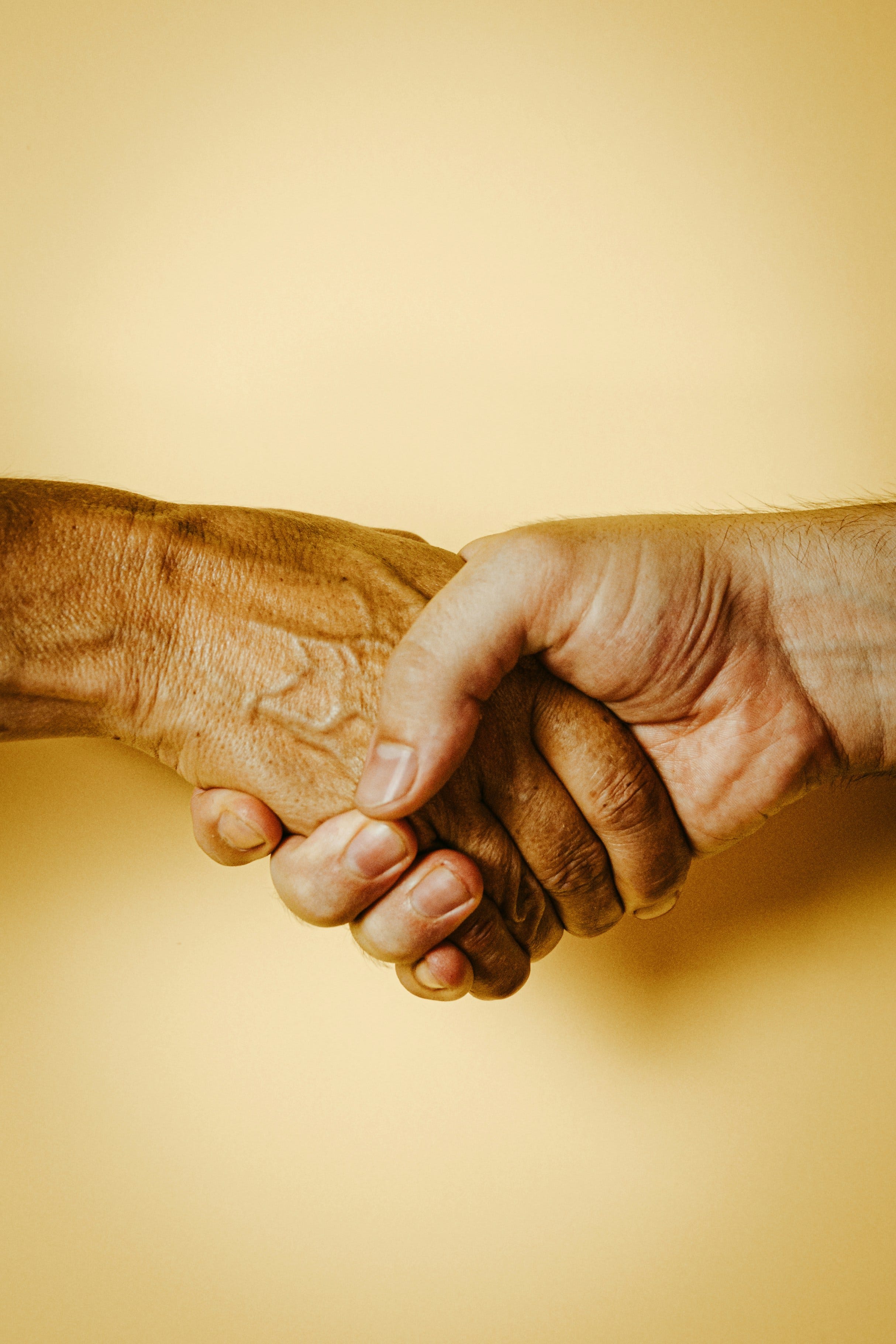
That handshake was symbolic. By shaking their hands, he communicated two things:
One: I respect you.
Two: This is how you respect others.
Our kind actions, whether they are in a traditional classroom or the classroom of life, teach others about kindness and respect.
One: They show our kindness.
Two: They teach others kindness.
The handshake became a simple symbol. You model a kind behavior, and it becomes embedded in the heart of another. In turn, others emulate it in their own way. Kindness is contagious.
Even if you are not a classroom teacher, you have the opportunity to teach kindness every day.